
Healthcare buildings must keep operating, stay safe and adapt to changing needs over decades. Precast concrete supports these goals across hospitals, clinics, medical office buildings and the parking structures that serve them.
Safety first
Concrete is noncombustible, and precast floors and walls can provide fire-resistance ratings that help protect patients and staff. Concrete also offers strong resistance to impact and severe weather, which supports resilience for critical facilities.
Minimizing disruption
Most healthcare projects add to or sit beside operating facilities. Off-site manufacturing reduces on-site noise, dust and construction traffic. Rapid erection shortens the time heavy equipment is on a busy campus.
Long spans and flexible planning
Prestressed hollow core floors and beams provide long, open spans. That gives planners flexibility to arrange or later reconfigure patient rooms, imaging suites, surgical areas and support spaces.
Performance requirements
Healthcare buildings often have stricter requirements for floor stiffness, vibration and acoustic privacy. The mass and stiffness of concrete help, and the producer's engineers can work with the design team to meet project criteria. These requirements should be discussed early in design.
Durable, easy-to-clean surfaces
Concrete is resistant to mold, rot and pests. Smooth precast surfaces and durable finishes help reduce maintenance.
Typical precast elements
- Hollow core floors and roofs for patient and clinical areas
- Architectural wall panels for the exterior skin
- Structural frames of beams and columns
- Parking structures for patients, visitors and staff
- Central utility plants and support buildings
Parking is part of the patient experience
Easy parking affects how patients and visitors feel about a facility. Precast parking structures can be built quickly, designed with clear bays and good circulation, and finished to match the main hospital building. See our parking structure design guide.
Explore our healthcare work
Visit our health care page, browse completed projects and contact the Coreslab plant nearest you to discuss your facility.
This article is general information, not engineering advice. Final design must be completed by licensed professionals in accordance with local codes and healthcare requirements.
FAQ
Frequently asked questions
Is precast concrete used in hospitals?
Yes. Precast is used for hospital structures, wall panels, parking garages and support buildings.
How does precast help on occupied hospital campuses?
Off-site manufacturing and rapid erection reduce on-site noise, dust and construction time.
Can precast meet vibration and acoustic requirements?
Concrete's mass and stiffness help. Specific criteria must be defined by the design team and verified by the engineers.
Featured projects
Precast solutions in action
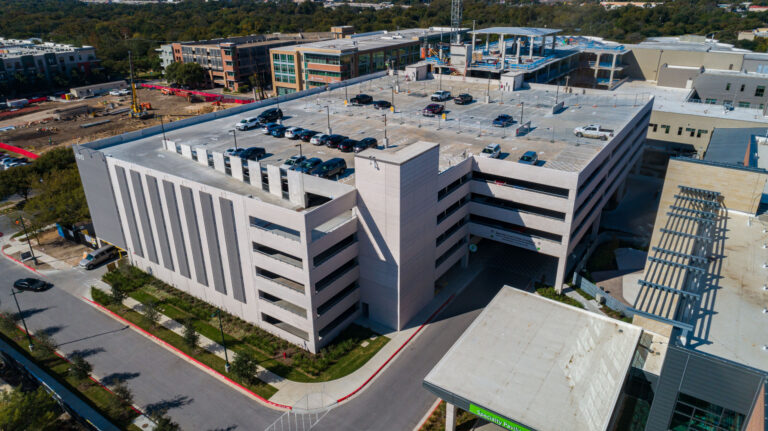 Dell Children’s Medical Center Garages & MOB – Austin, TX
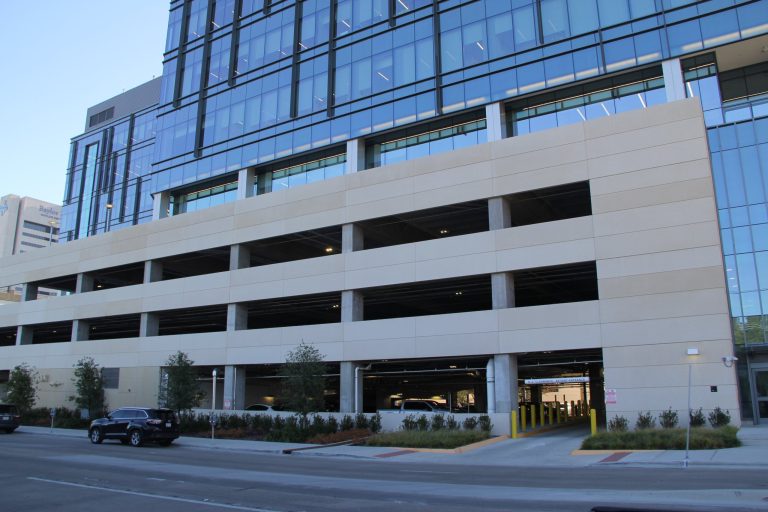 Texas A&M University College of Dentistry Clinic and Education Building – Dallas, TX
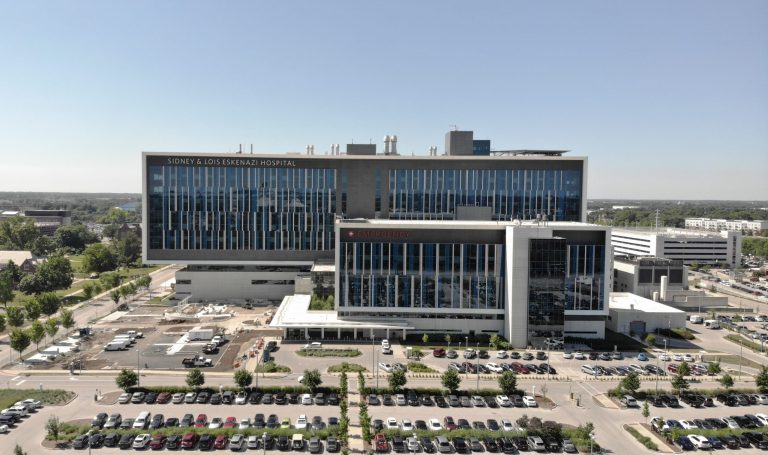 Sidney & Lois Eskenazi Hospital – Indianapolis, IN
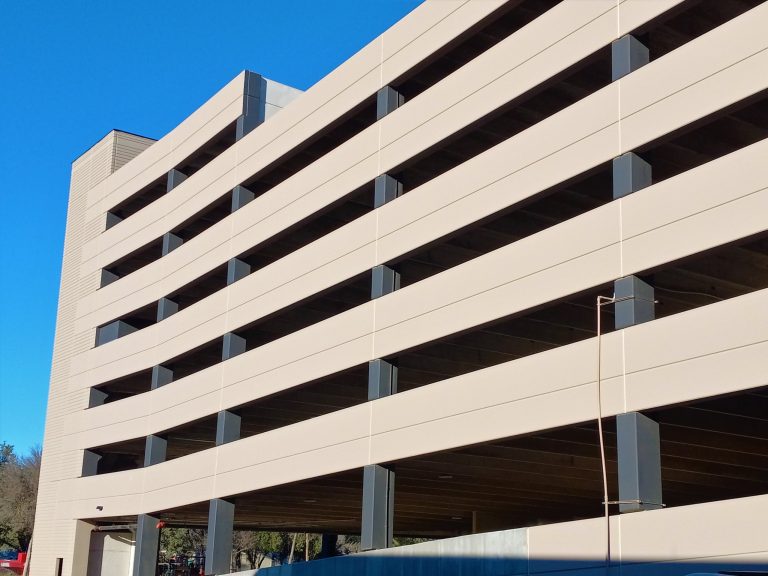 Texas Children’s Austin North Hospital & Garage – Austin, TX
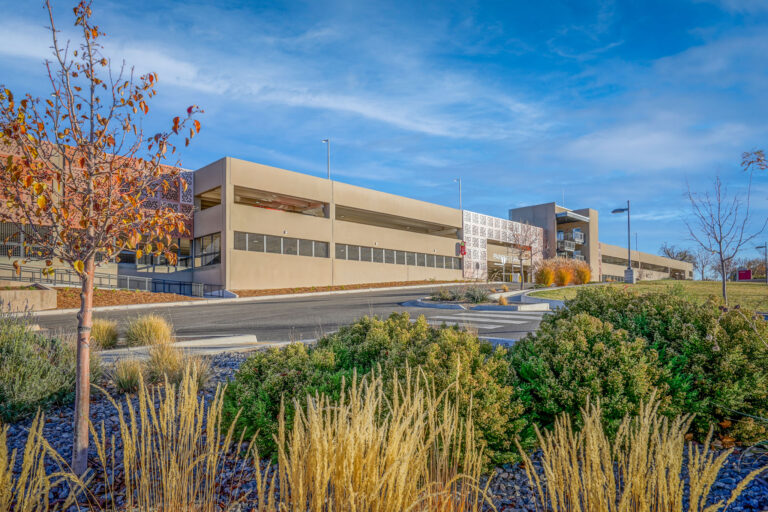 Presbyterian Hospital Parking Structure – Albuquerque, NM
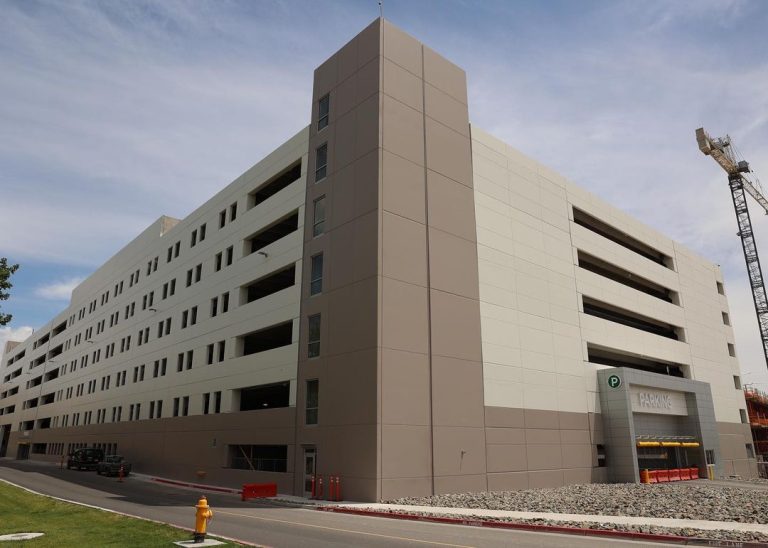 UNM Hospital Parking Garage – Albuquerque, NM