
Sustainable building is about more than a single material choice. It is about the whole life of a building: how it is made, how it performs and how long it lasts. Precast concrete offers several advantages across that life cycle.
Efficient plant production
Manufacturing precast in a plant allows precise batching, so less concrete is wasted. Molds are reused many times, which limits waste from formwork. Excess material can often be reused or recycled in the plant instead of being hauled away from a job site.
Material efficiency
- Prestressing: Uses less material for a given span and load.
- Hollow core: Voids remove concrete where it is not needed, reducing material use.
- Supplementary cementitious materials: Industrial by-products, such as fly ash or slag, can replace part of the cement in a mix, which lowers the embodied carbon of the concrete.
- Recycled steel: Reinforcing steel typically contains recycled content.
Less site impact
Because most of the work is done in the plant, there is less noise, dust, traffic and waste on the construction site. This matters in dense neighborhoods and on occupied campuses.
Energy performance
Concrete's thermal mass can help moderate temperature swings inside a building. Insulated precast wall panels add continuous insulation to the mix, supporting energy-efficient building envelopes.
Durability and long service life
A structure that lasts longer avoids the environmental cost of early replacement. Precast is durable, resistant to rot and pests, and requires limited maintenance. See how long precast concrete lasts.
Resilience
Concrete resists fire, wind and flooding better than many materials, which helps buildings withstand extreme events and recover faster. Resilient buildings are a key part of sustainable design.
End of life
Concrete can be crushed and recycled for use as aggregate in new construction, such as road bases and fill.
How to document environmental performance
- Ask the producer for an Environmental Product Declaration (EPD), where available, which reports life-cycle impacts in a standardized way.
- Request information on cement replacement levels and recycled content.
- Ask about local sourcing of materials and plant location relative to the site.
- Check whether the project is pursuing a certification such as LEED and what documentation is needed.
A realistic view
Concrete production does generate carbon emissions, and the best designs use materials efficiently, specify lower-carbon mixes and plan for long life. Precast's controlled production and efficient use of material give designers good tools to do that.
Learn more
Read about Coreslab's approach on our sustainability page, or contact the plant nearest you to discuss environmental goals for your project.
This article is general information. Environmental performance varies by product, mix and plant; request project-specific documentation from the producer.
FAQ
Frequently asked questions
Is precast concrete eco-friendly?
Precast offers advantages like efficient production, less waste, thermal mass and long life. Environmental performance depends on the specific mix and project, so request documentation such as an EPD.
Can precast concrete be recycled?
Yes. Concrete can be crushed and reused as aggregate in new construction.
Does precast help earn LEED credits?
It can contribute to several categories, such as materials, energy and innovation. Eligibility depends on the specific project and rating system version.
Featured projects
Precast solutions in action
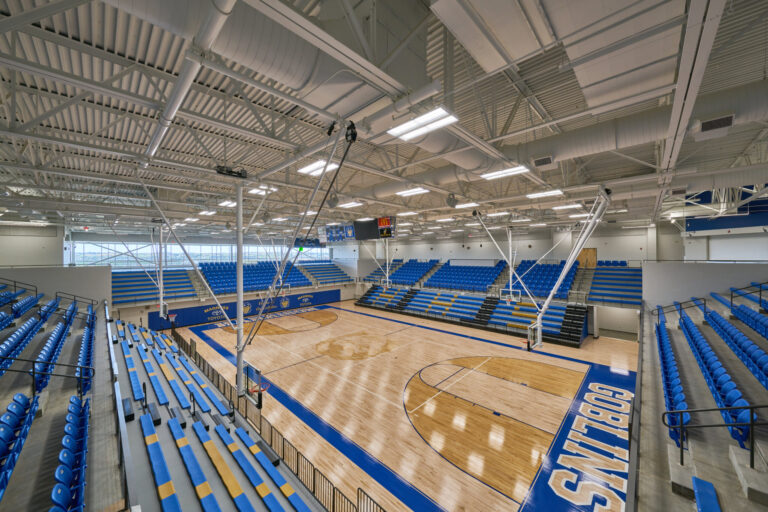 Harrison High School Gym – Harrison, AR
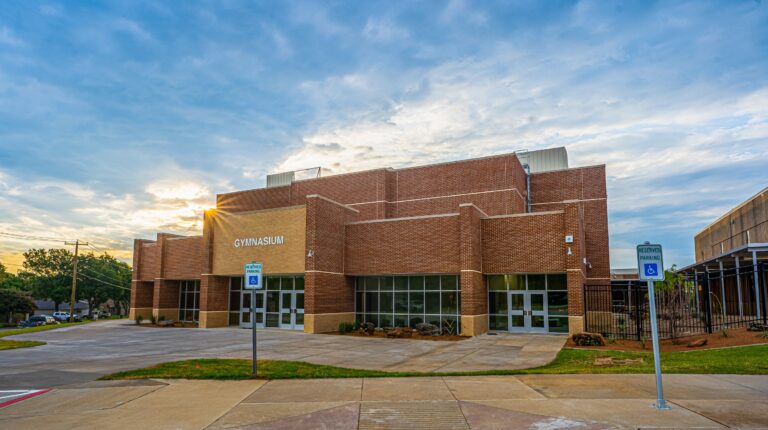 Smithfield Middle School – Gymnasium Addition – North Richland Hills, TX
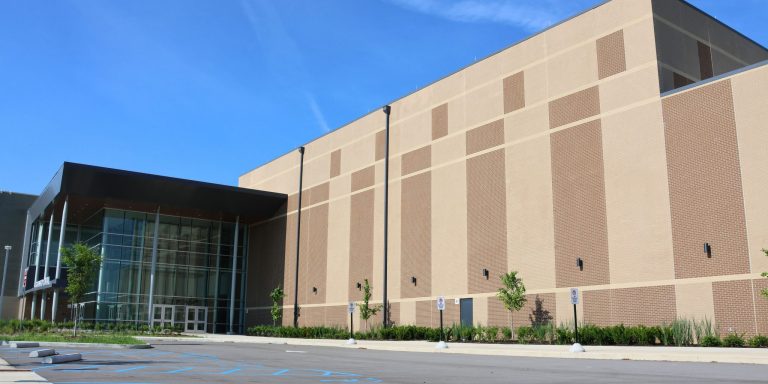 Greenfield Central High School Auditorium – Greenfield, IN
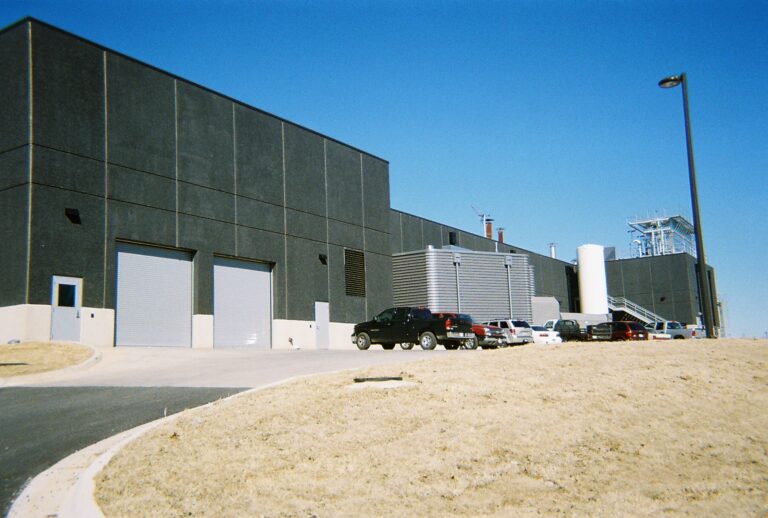 Tyson Discovery Office Building – Springdale, AR
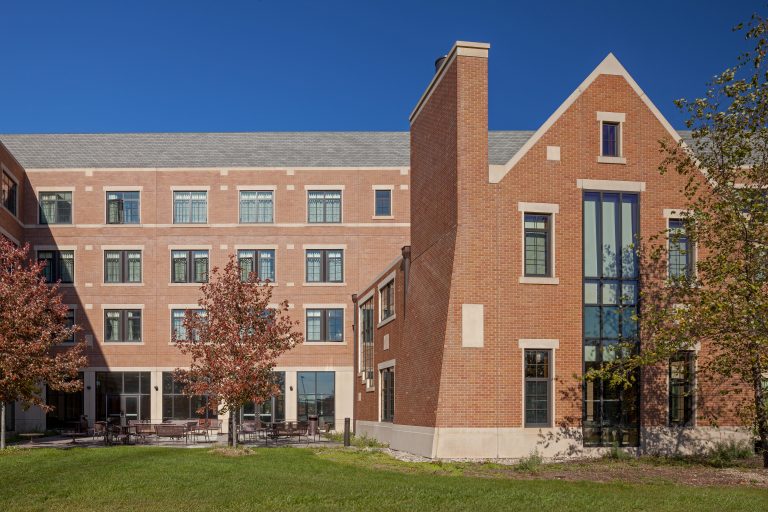 Beacon Hall, Valparaiso University – Valparaiso, IN
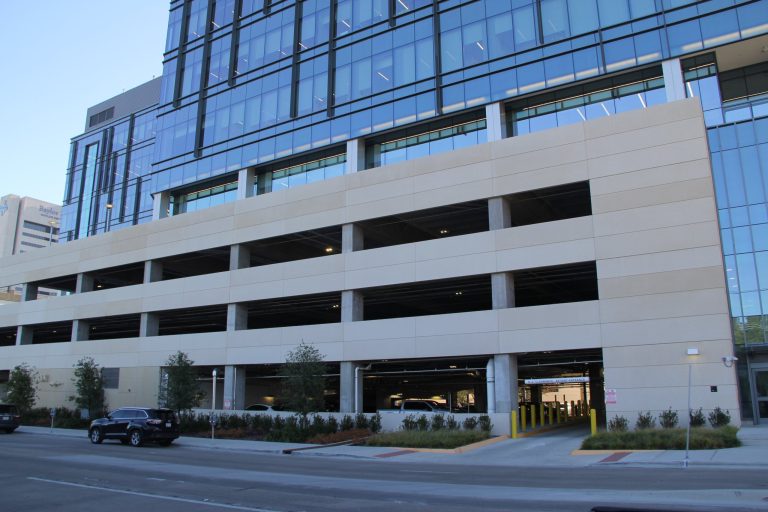 Texas A&M University College of Dentistry Clinic and Education Building – Dallas, TX