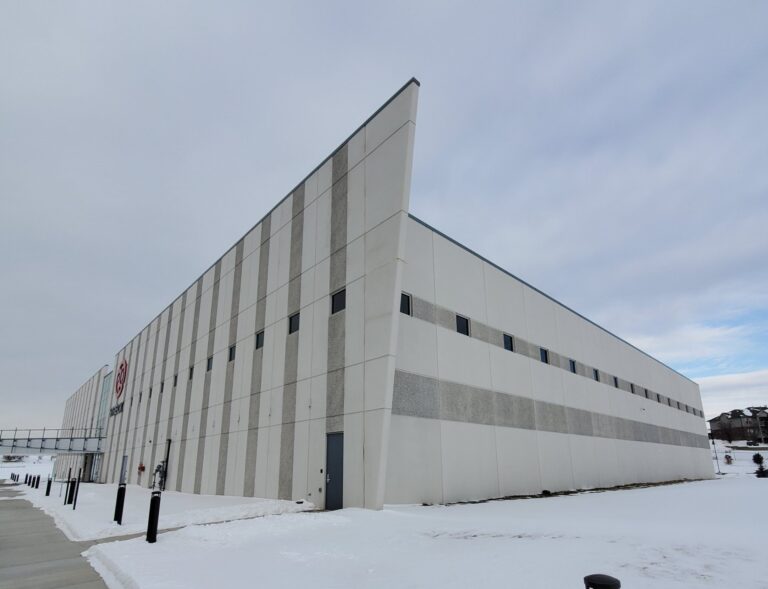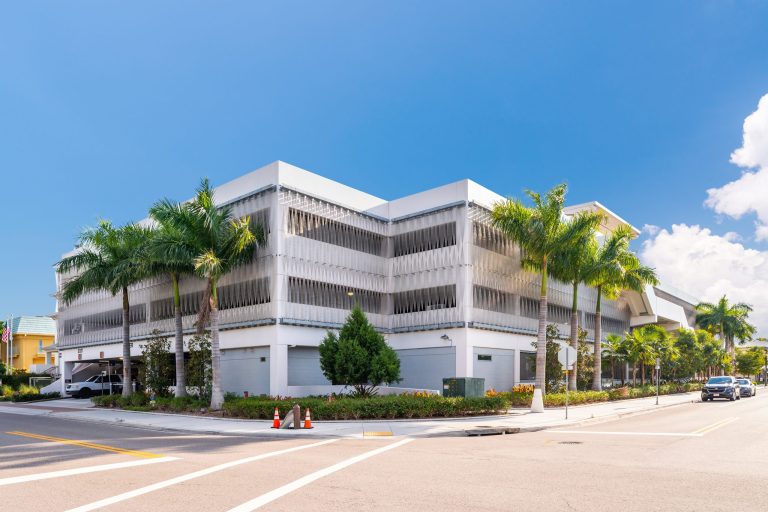
Precast concrete is made in a manufacturing plant, not at the construction site. Here is how a component goes from drawing to finished piece, and why the process leads to consistent quality.
1. Design and shop drawings
Production begins with engineering. The design is turned into shop drawings that show every piece: dimensions, reinforcement, embedded items, lifting points and finishes. The design team reviews and approves them before manufacturing starts.
2. Preparing the molds
Molds, also called forms, are built from steel, concrete or other materials. They are cleaned, set to the right dimensions and coated with release agent so the finished piece lifts out cleanly. Block-outs for openings and embedded plates are positioned precisely.
3. Placing reinforcement
Steel reinforcement is cut, bent and placed into the form. For prestressed products, steel strands are stretched along the casting bed and tensioned before concrete is placed. Embedded hardware for connections and lifting is secured in position.
4. Mixing and casting
Concrete is batched to a mix design chosen for strength and finish, then placed into the molds. It is consolidated by vibration so it fills every corner and surrounds the reinforcement. Some products, such as hollow core planks, are produced with specialized casting machines that run along the bed.
5. Curing
The concrete is cured under controlled temperature and moisture, sometimes with added heat, so it gains strength quickly and consistently. Because plants control the environment, production does not stop for rain, cold or heat.
6. Stripping and finishing
After the concrete reaches the required strength, prestressing strands are released, and the piece is lifted from the mold. Surface finishing may include sandblasting, acid etching, or simply cleaning and patching. Architectural pieces receive extra attention to finish and color.
7. Quality control
Quality checks happen throughout: materials testing, dimension checks, strength tests, and inspection of reinforcement and finish. Documentation follows each piece so it can be traced to its mix and production date.
8. Storage and shipping
Finished pieces are marked, stored and loaded on trucks in the order they will be erected on site. Planning the delivery sequence saves crane time and speeds up installation.
Why plant production matters
- Consistency: The same process and environment, every day.
- Speed: Production runs while the site is being prepared.
- Less waste: Reusable molds and managed batching reduce waste.
- Safety: Workers operate at ground level in a controlled setting.
See the process up close
Coreslab operates manufacturing plants across North America. Learn more about our manufacturing services, then read how precast concrete is installed, or find your nearest plant.
This article is general information. Specific processes vary by plant and product.
FAQ
Frequently asked questions
How long does it take to make a precast concrete piece?
Casting and curing can happen quickly, but overall lead time includes engineering, drawings, approvals and production scheduling. Ask your producer for a schedule early.
Is precast concrete reinforced?
Yes. Precast concrete contains steel reinforcement, often prestressing strands for structural members.
Why is precast made in a plant?
Plant production allows controlled conditions, repeatable quality, faster schedules and less weather risk than casting on site.
Featured projects